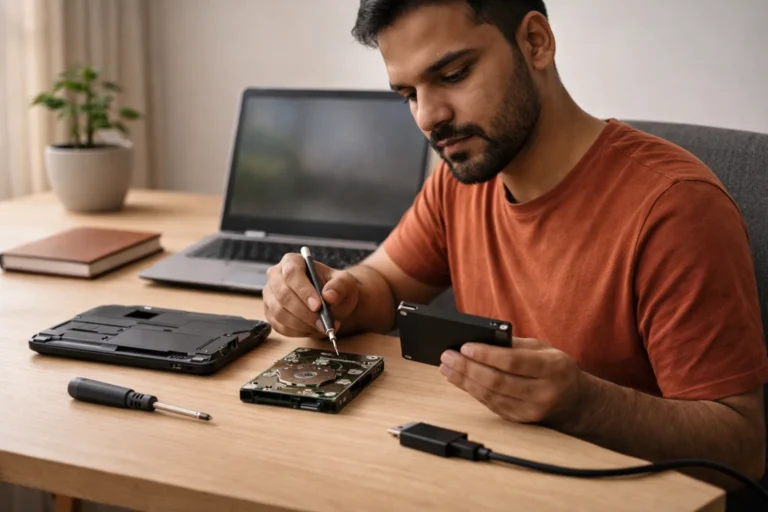
When Renting a Laptop Can Make Sense Instead of Buying
Renting a laptop can make sense when access is temporary, the required configuration may change, or a project team needs devices for a defined period. It is not automatically cheaper or better than ownership. For a neutral comparison of both choices, start with Laptop on Rent vs Buy.
When renting a laptop can make sense
This article focuses on situations where temporary access may be useful. The decision still depends on the rental rate, purchase price, duration, support terms, upgrade needs, and whether you want to own the device at the end.

1. A short or clearly defined requirement
A rental can suit an exam period, internship, client project, event, travel assignment, or temporary remote-work setup. Compare the full rental quote with the cost and resale implications of buying for the same period.

2. A configuration that may change
Coding, design, editing, analytics, and testing projects may need different RAM, storage, processor, or graphics levels. A rental can reduce the commitment to one configuration, but model changes and upgrades depend on the provider’s current inventory and agreement.

3. Monthly cash flow instead of ownership
Rental payments can spread device costs across the requirement period, while buying creates an owned asset. This does not guarantee savings. Compare rates, duration, residual value, support, and upgrade needs. Businesses should confirm accounting or tax treatment with a qualified adviser.
4. Support responsibilities defined by an agreement
A rental agreement may assign some hardware-support responsibilities to the provider, but coverage, exclusions, response times, replacements, and accidental damage rules vary. Read the written terms before relying on support.

5. Temporary capacity for teams
Businesses may need extra laptops for onboarding, training, seasonal work, contractors, or a time-bound project. For the commercial process and team requirements, review Corporate Laptop Rental.
6. Trying a device category before buying
Short access can help a user test whether a screen size, operating system, processor class, or memory configuration suits real work. Whether a trial period is available depends on the rental terms.
7. Reuse can reduce idle devices
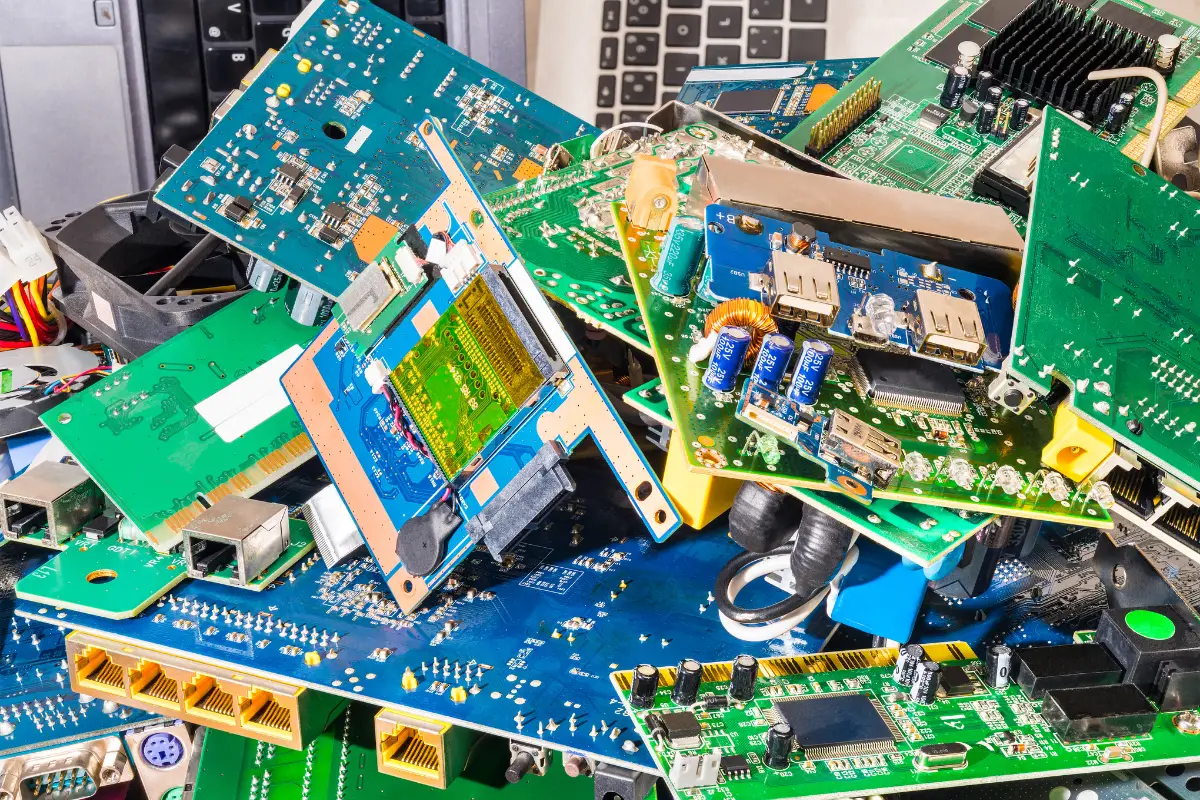
Rental and reuse models can keep equipment in service for more than one user, but environmental outcomes depend on device life, repair, transport, and responsible end-of-life handling. The Global E-waste Monitor 2024 provides broader context on the growth of electronic waste.

8. Availability must be confirmed
A rental may provide quicker access than purchasing in some situations, but delivery timing, model availability, configuration, and location coverage are confirmation-gated facts. Ask Rentopay about current availability instead of assuming a device can be supplied immediately.
9. Plans should match the real requirement
Before choosing a plan, write down the software, minimum RAM and storage, device count, location, duration, and support expectations. Compare those needs with the written quote and agreement.

Who should consider renting instead of buying?
Renting may suit students with a temporary course requirement, professionals on a short assignment, project users whose specifications may change, and businesses adding temporary capacity. Buying may suit people who want ownership, customisation, and stable long-term use.
How to make the decision
Use the balanced rent-versus-buy guide to compare both paths. If temporary access still fits, review how to rent a laptop and confirm current model, configuration, duration, documentation, support, and delivery terms directly.